
Can't get to us? We can come to you! Contact us to find out our pick-up location.


TABLE OF CONTENT
What Is Dry Cleaning? 5 Professional Secrets Explained

Many people believe that dry cleaning means cleaning clothes without using any liquid, but the process is actually different. Dry cleaning uses specialised cleaning solvents instead of water to remove dirt, oils, and stains while helping protect delicate fabrics.
From business suits and silk dresses to wool coats and formal wear, professional dry cleaning helps maintain the shape, appearance, and lifespan of garments that may be damaged by traditional washing methods.
According to Hiren Patel from New Image Dry Cleaners, who has over 10 years of experience in the dry cleaning industry, effective garment care starts with understanding the unique needs of each fabric. Different materials, stains, and garment constructions require different treatment approaches.
In this guide, you will learn what dry cleaning is, how the process works, and five professional secrets that experienced cleaners use to achieve better results.
What Is Dry Cleaning?
Dry cleaning is a specialised cleaning method that uses liquid solvents instead of water to remove dirt, oils, and stains while protecting fabric quality. It is commonly used for delicate materials such as silk, wool, velvet, cashmere, suits, and formal wear.
The same fabric-care principles can also apply to certain household textiles, including rugs and decorative fabrics, where the material type and condition determine the most suitable cleaning approach.
Why Is It Called Dry Cleaning?
Have you ever wondered why it is called dry cleaning when liquids are actually used during the process? The name often creates confusion because many people believe clothes are cleaned completely without any liquid.
The word “dry” simply means that water is not used as the primary cleaning agent. Instead, professional dry cleaning uses specialised liquid solvents that dissolve oils, grease, and stubborn stains while being gentle on fabrics.
This unique process helps protect important garment details that regular washing can affect, including:
- Fabric texture and softness
- Original colours and appearance
- Garment shape and structure
- Decorative elements and embroidery
- Fine stitching and tailored construction
The reason professionals recommend dry cleaning for certain garments is simple: some clothes are not damaged by dirt, but by the wrong cleaning method. Using the right process helps preserve the quality, comfort, and lifespan of your favourite clothing.
How Does Dry Cleaning Work?

Many people think dry cleaning is simply putting clothes into a machine, but the actual process involves careful inspection, stain treatment, professional cleaning, and finishing. Each step helps protect the quality and appearance of your garments.
1. Garment Inspection Before Cleaning
Before the cleaning process begins, professionals carefully check each garment to understand its condition and fabric type.
During inspection, they look for:
- Fabric care instructions
- Existing stains or marks
- Loose buttons, tears, or damage
- Special designs, embroidery, or decorations
- The best cleaning method for the garment
This step helps ensure that every item receives the right care without unnecessary damage.
2. Professional Stain Treatment
Not all stains can be removed in the same way. Different stains require different treatments before the main cleaning process begins. The type of stain, fabric material, and how long the stain has been present can affect the cleaning approach.
For example:
- Oil and grease stains need specialised cleaning solutions
- Coffee and food stains require careful stain removal techniques
- Ink stains often need targeted treatment
Experienced cleaners identify the stain type first and choose the safest method to improve cleaning results. Understanding how professional stain removal works can help explain why different stains require different treatment methods.
3. Cleaning With Specialised Solvents
After inspection and stain treatment, garments are placed into professional dry cleaning machines. Instead of water, these machines use specialised cleaning liquids that remove dirt, oils, and stains.
This process helps protect delicate fabrics from common washing problems such as:
- Shrinking
- Colour fading
- Loss of shape
- Fabric damage
4. Drying and Quality Care
After cleaning, the garments go through a controlled drying process to remove cleaning solutions safely.
Modern dry cleaning systems are designed to reuse and manage cleaning solvents efficiently, helping reduce waste while maintaining cleaning quality.
5. Professional Pressing and Final Inspection
Cleaning is only one part of professional garment care. After the cleaning process, garments are carefully finished to restore their fresh appearance.
This includes:
- Steam treatment
- Professional pressing
- Removing wrinkles
- Restoring garment shape
- Final quality checks
The result is clothing that looks cleaner, feels fresher, and maintains its original appearance for longer.
What Chemicals Are Used in Dry Cleaning?
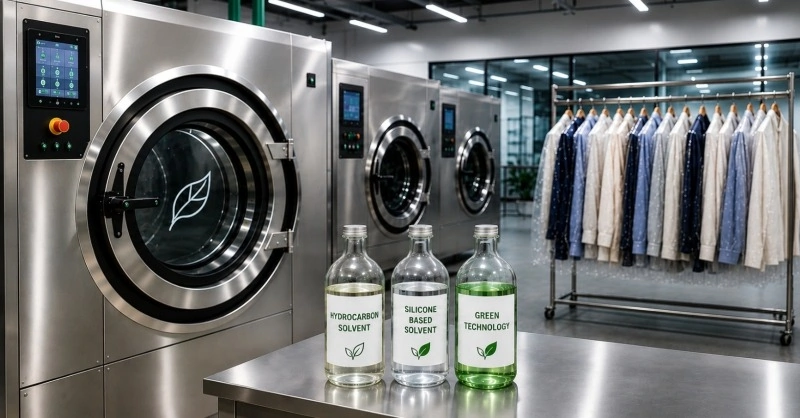
Many people wonder what is actually used to clean clothes during dry cleaning. Unlike regular washing, which uses water and detergent, professional dry cleaning uses specialised liquid solvents that are selected based on the fabric type, garment condition, and cleaning requirements.
Hydrocarbon Solvents
Hydrocarbon solvents are one of the commonly used options in modern dry cleaning. They are known for providing gentle cleaning while helping protect delicate fabrics, colours, and garment details.
These solvents are especially useful for clothing that requires careful treatment because they can remove oils and dirt without exposing fabrics to excessive moisture.
Silicone-Based Cleaning Solutions
Silicone-based cleaning solutions are used by some professional cleaners as an alternative cleaning method. These solutions are designed to provide effective stain and dirt removal while being gentle on fabrics.
They are often considered a more environmentally conscious option because they focus on reducing the impact of traditional cleaning methods.
Advanced Green Cleaning Technologies
The dry cleaning industry continues to develop safer and more sustainable cleaning technologies. Modern cleaning systems focus on improving cleaning performance while reducing waste and environmental impact.
Many professional cleaners now use improved processes that help:
- Protect delicate garments
- Reduce solvent waste
- Maintain fabric quality
- Provide more responsible garment care
The cleaning solution used depends on the garment, fabric type, and level of staining. Professional dry cleaners evaluate each item carefully to choose the most suitable cleaning method.
5 Professional Secrets Behind Expert Dry Cleaning
Professional dry cleaning is not just about putting clothes into a machine. Behind every well-cleaned garment is a careful process involving fabric knowledge, stain expertise, and attention to detail.
Here are five professional secrets that help experienced cleaners achieve better results.
Secret #1: The Real Work Begins Before Cleaning
Many people think the cleaning machine does all the work, but the most important decisions happen before cleaning starts.
Before a garment is cleaned, professionals carefully inspect:
- Fabric type and care requirements
- Existing stains and marks
- Loose buttons, damaged areas, or weak stitching
- Special details such as embroidery or decorations
This inspection helps cleaners choose the safest cleaning approach and prevents unnecessary damage to delicate garments.
Secret #2: The Quality of Cleaning Solutions Matters
Professional dry cleaning depends on more than just equipment. The quality and condition of cleaning solvents play an important role in achieving good results.
Properly maintained cleaning systems help:
- Remove dirt, oils, and stains effectively
- Protect fabric softness and colour
- Reduce the chance of residue buildup
- Maintain garment quality over time
Experienced cleaners carefully manage their cleaning process to ensure each garment receives appropriate care.
Secret #3: Finishing Creates the Premium Look
Cleaning is only one part of professional garment care. The finishing process is what gives clothes their fresh, polished appearance.
After cleaning, garments may go through:
- Professional pressing
- Steam treatment
- Wrinkle removal
- Shape restoration
- Final quality checks
This step helps restore the original structure of garments, especially suits, coats, formal wear, and delicate clothing.
Secret #4: Every Fabric Requires Different Care
One of the biggest mistakes people make is treating every garment the same way. Professional cleaners understand that each fabric has different needs.
For example:
- Wool requires careful handling to maintain its shape
- Silk needs gentle treatment to protect colour and texture
- Embroidered garments need extra attention to preserve details
- Structured clothing requires careful finishing to maintain its form
This is why professional dry cleaners evaluate each garment individually before choosing a cleaning method.
Secret #5: Modern Dry Cleaning Focuses on Fabric Care and Sustainability
Today’s dry cleaning industry continues to improve with safer and more responsible cleaning methods.
Modern professional garment care may include:
- Advanced cleaning technologies
- Improved solvent management systems
- More efficient equipment
- Environment-conscious cleaning practices
These methods help protect delicate fabrics while providing effective cleaning results.
The biggest secret behind expert dry cleaning is simple: great results come from combining the right technology with experience, attention to detail, and proper garment care techniques.
Dry Cleaning vs Washing: Which Is Better?
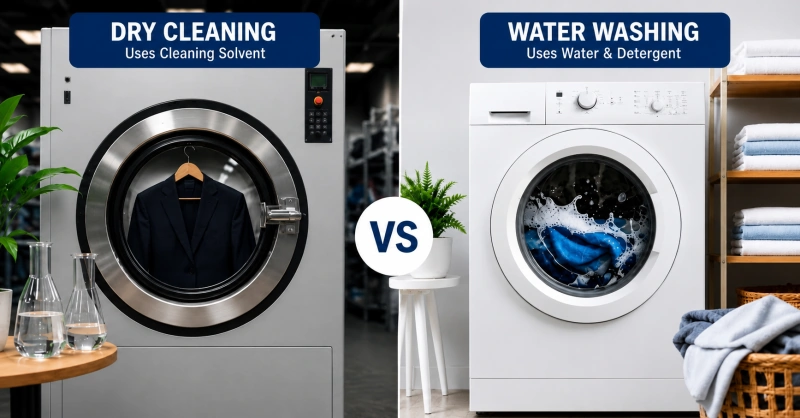
Dry Cleaning | Regular Washing |
|---|---|
Uses cleaning solvents | Uses water and detergent |
Best for delicate fabric | Best for everyday clothes |
Protects fabric and shape | May cause shrinking or fading |
Removes oil-based stains | Removes sweat and dirt |
Professional service | Easy to do at home |
Higher cost | Lower cost |
Give Your Clothes the Professional Care They Deserve
Every garment receives careful attention, from fabric inspection and stain treatment to expert cleaning and finishing. Our professional approach helps protect your clothes’ quality, appearance, and lifespan.
What Clothes Should Be Dry Cleaned?
Not every garment is designed to handle regular washing. Some fabrics and clothing items require professional dry cleaning to maintain their shape, colour, texture, and overall appearance.
Common garments that benefit from dry cleaning include:
Business Suits and Blazers
Suits and blazers often contain structured layers that help create their professional appearance. Dry cleaning and professional pressing help maintain their shape, remove oils, and keep the fabric looking fresh.
Silk Clothing
Silk is a delicate fabric that can lose its softness, colour, or natural shine when exposed to incorrect washing methods. Professional dry cleaning helps protect the texture and appearance of silk garments.
Wool Coats and Jackets
Wool garments require careful handling because excessive moisture and heat can cause shrinkage or changes in shape. Dry cleaning helps preserve the softness, fit, and quality of wool clothing.
Wedding Dresses and Formal Wear
Wedding dresses and formal outfits often contain delicate fabrics, embroidery, and decorative details. Professional cleaning methods help remove stains while protecting these important details.
Embroidered and Decorative Garments
Clothing with sequins, beads, lace, or detailed stitching requires extra care. Dry cleaning helps reduce the risk of damage while maintaining the garment’s original design and finish.
Can Dry Cleaning Remove All Stains?
No cleaning method can guarantee the removal of every stain. The result depends on the type of stain, the fabric, how long the stain has been present, and whether it has been treated incorrectly before.
However, professional dry cleaning can effectively remove many common and stubborn stains, including:
- Grease and oil marks
- Makeup and cosmetic stains
- Food and beverage spills
- Wine stains
- Ink marks
- Coffee and tea stains
- Body oils and perspiration buildup
Experienced cleaners use different stain treatment methods depending on the fabric and the type of mark. This helps improve the chances of successful stain removal while protecting the garment from damage.
The best results usually come when stains are treated as early as possible. The longer a stain remains in the fabric, the harder it can become to remove completely. Avoid rubbing stains aggressively at home, as this can sometimes push the stain deeper or damage delicate fibres.
How Often Should Clothes Be Dry Cleaned?
There is no fixed schedule for dry cleaning every garment. The right frequency depends on how often the clothing is worn, the fabric type, the environment, and whether stains or odours are present.
Business Suits and Blazers
Business suits usually benefit from professional cleaning every few wears, especially when worn regularly for work. Regular dry cleaning helps remove body oils, dust, and everyday buildup while maintaining a sharp, professional appearance.
Wool Coats and Outerwear
Wool coats and jackets generally only need dry cleaning once or twice per season, unless they become stained or heavily used. Proper cleaning helps maintain the fabric’s softness, shape, and insulating properties.
Formal Wear and Special Occasion Clothing
Wedding dresses, tuxedos, evening gowns, and formal outfits should typically be cleaned after use. Treating stains early helps prevent them from becoming permanent and supports long-term garment preservation.
Silk and Delicate Fabrics
Silk and other delicate materials should be cleaned according to the garment care instructions. Professional dry cleaning helps protect the fabric’s natural texture, colour, and appearance while reducing the risk of damage.
A Simple Rule to Remember
If a garment is worn often, exposed to sweat, stains, or outdoor conditions, it may need more frequent professional care. For valuable or delicate clothing, regular maintenance can help extend its lifespan and keep it looking its best.
Is Dry Cleaning Safe for Clothes and the Environment?
Many people worry that dry cleaning may be harsh on clothes or harmful to the environment. However, modern professional dry cleaning methods have improved significantly, with better cleaning technologies designed to protect garments while reducing environmental impact.
Safe for Delicate Fabrics
Dry cleaning is especially useful for garments that may not handle traditional washing methods well, including:
- Silk
- Wool
- Cashmere
- Velvet
- Rayon
- Structured garments
- Embroidered fabrics
Because dry cleaning uses specialised solvents instead of water, it can help reduce common washing problems such as:
- Shrinkage
- Colour fading or bleeding
- Loss of garment shape
- Damage to delicate fibres
This makes it a suitable option for valuable clothing that requires careful handling.
Modern Eco-Friendly Dry Cleaning Practices
The dry cleaning industry continues to adopt more responsible cleaning methods. Many professional cleaners now use improved systems that focus on efficiency, garment protection, and reduced environmental impact.
These practices may include:
- Better solvent management and recycling systems
- Energy-efficient cleaning equipment
- Improved filtration technology
- Reduced waste during the cleaning process
- More sustainable packaging options
When choosing a dry cleaner, customers can ask about the cleaning methods and technologies used to ensure their garments receive professional care with responsible practices.
Common Myths About Dry Cleaning
Reality:
Dry cleaning uses liquid solvents rather than water.
The term "dry" simply distinguishes the process from conventional laundering.
Reality:
Many everyday garments can be safely washed at home.
Professional cleaning is most beneficial for delicate fabrics, structured clothing, and luxury garments.
Reality: When performed correctly, professional garment care extends the lifespan of clothing by protecting fabric integrity and preserving garment construction.
Reality:
Some stains become permanent if left untreated or cleaned incorrectly.
Prompt professional attention offers the best chance of successful stain removal.
Reality:
The industry has evolved significantly, with many cleaners adopting greener technologies and more sustainable operating practices.
Frequently Asked Questions About Dry Cleaning
Answer:-
Dry cleaning is a professional cleaning process that uses specialized liquid solvents instead of water to remove dirt, oils, and stains from clothing and textiles.
Answer:-
The process is called dry cleaning because it does not use water as the primary cleaning agent. Instead, garments are cleaned using specially formulated solvents.
Answer:-
Professional dry cleaning greatly reduces the risk of shrinkage because fabrics are not immersed in water during the cleaning process
Answer:-
It depends on the fabric.
Delicate materials such as silk, wool, velvet, and formal wear generally benefit from professional dry cleaning, while everyday cotton garments can often be safely machine washed.
Answer:-
Some old stains can be successfully removed, but results vary depending on the stain type, fabric, and previous treatment attempts.
Prompt professional cleaning usually produces the best outcomes.
Answer:-
Most dry cleaning services require one to three days, although express services may be available for urgent needs.
Answer:-
Professional cleaning removes dirt, oils, and many contaminants, but the primary goal is fabric care and stain removal rather than disinfection.
Answer:-
Ignoring care labels may result in:
- Shrinkage
- Color fading
- Fabric distortion
- Damage to decorative elements
- Loss of garment structure
Answer:-
Items that commonly benefit from professional care include:
- Business suits
- Wool coats
- Silk dresses
- Cashmere garments
- Wedding dresses
- Formal wear
- Structured jackets
- Embroidered clothing
- Garment type
- Fabric composition
- Stain treatment requirements
- Finishing needs
Professional cleaning often helps extend garment life, providing long-term value for premium clothing.
Final Thoughts
Understanding what dry cleaning involves helps you make better decisions about garment care. It is not simply cleaning without water — it is a specialised process that uses professional techniques to protect fabrics, remove stains, and maintain garment quality.
At New Image Dry Cleaners, we combine careful garment evaluation with professional cleaning methods and are proudly a member of the Drycleaning Institute of Australia, reflecting our commitment to industry standards and quality garment care.
Ready to Give Your Clothes Expert Care?
From everyday garments to delicate fabrics and special occasion wear, our professional dry cleaning team is here to help protect your clothes and keep them looking their best.
STAY CONNECTED
Schedule Pickup
Today!
Let us take care of your clothes while you focus on what matters.
STAY UPDATED
Get laundry tips, special offers and updates straight to your inbox.